Describe the Four Types of Pathogens That Can Contaminate Food
The FDA lists over 40 types of bacteria viruses parasites and fungi that contaminate foods and cause illness but they have singled out 6 that are the most contagious and cause the most severe symptoms. Yeasts molds and mushrooms.
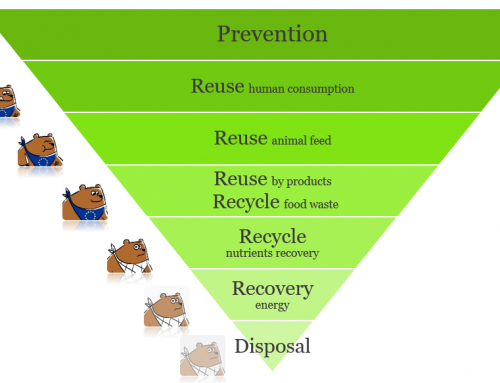
What Is Food Contamination H Alo
Examples of Microbial Contamination.
. -Throw out moldy food unless mold is a natural part of the food. There are four main types of contamination. If contaminated water or ice is used to wash pack or chill fruits or vegetables the contamination can spread to those items.
-Naturally occur in certain plants mushrooms and seafood. A fungi that produces an alcohol-like odor. The most common microbial contaminants are norovirus Listeria Salmonella E.
-Purchase mushrooms from approved reputable suppliers. Coli STEC Food handlers with illnesses from these bacteria can NEVER work in a food-service operation while they are sick. Can cause food to bubble.
During their growth these microorganisms can secrete different components including toxins into the extracellular environment. Not killed by freezer temperatures. The Association of the British Pharmaceutical Industry states that four ways pathogens are spread are by droplet infection direct contact bodily fluids and vectors.
This is why food handlers have a legal responsibility to ensure that the food they prepare is free from these contaminants and safe for the consumer. Raw and undercooked eggs undercooked poultry and meat fresh fruits and vegetables and unpasteurized dairy products. Possible to cut it away and still use the food.
-they can describe dishes identify ingredients suggest simple menu items to prevent allergic reactions. The four types of pathogens that can contaminate food and cause a foodborne illness are. May look pink or slimy.
Staphylococcus aureus is a bacterium that produces a toxin that causes vomiting shortly after being ingested. The FDA has singled out six pathogens and named them the _______ ________. Lag phase--number is stable and getting ready to grow.
Droplet infection refers to the spread of infection via tiny droplets of fluid that come out of the nose or mouth. These are bacteria viruses parasites and fungi. There are also toxins from animals like fish and shellfish or microbes like Salmonella Staphylococcus and Listeria.
-Nontyphoidal Salmonella NTS -Shigella spp. There are four types of pathogens that can contaminate food and cause foodborne illness. The four types of pathogens that can contaminate food and cause a foodborne illness are.
Grows well in food such as jelly and salami. During the slaughter process germs on an animals hide that came from the intestines can get into the final meat product. Log phase--bacteria produce by splitting in 2.
There are six types of microorganisms that can cause food-borne illness. The Four Types of Contamination. 1 bacteria 2 viruses 3 parasites.
If germs contaminate surfaces used for food processing such as a processing line or storage. Food containing this should be thrown out. The FDA has identified four types of bacteria that cause severe illness and are highly contagious.
Foodborne pathogens such as Escherichia coli O157H7 Listeria monocytogenes and Salmonella can easily transfer from food to food contact surfaces. -Some molds and mushrooms u000bproduce toxins. Here we describe the detection and qua.
Foodborne pathogens mostly bacteria and fungi but also some viruses prions and protozoa contaminate food during production and processing but also during storage and transport before consuming. The symptoms of a foodborne illness vary depending on which illness a person has. There are several factors that can contribute to the symptoms and severity of.
Methods for rapid detection of these pathogenic bacteria are important in order to avoid contamination of food. -can contaminate water and many types of food. Foodborne illness occurs when people eat or drink food or beverages contaminated with pathogens chemicals or toxins.
Chemical microbial physical and allergenic. Mold A fungi that can produce a dangerous toxin. Stationery phase--keep growing until conditions are unfavorable.
Pathogens can also be spread via contaminated food and water. They are E coli Hepatitis A Nontyphoidal Salmonella Norovirus Shigella Salmonella Typhi. All food is at risk of contamination from these four types.
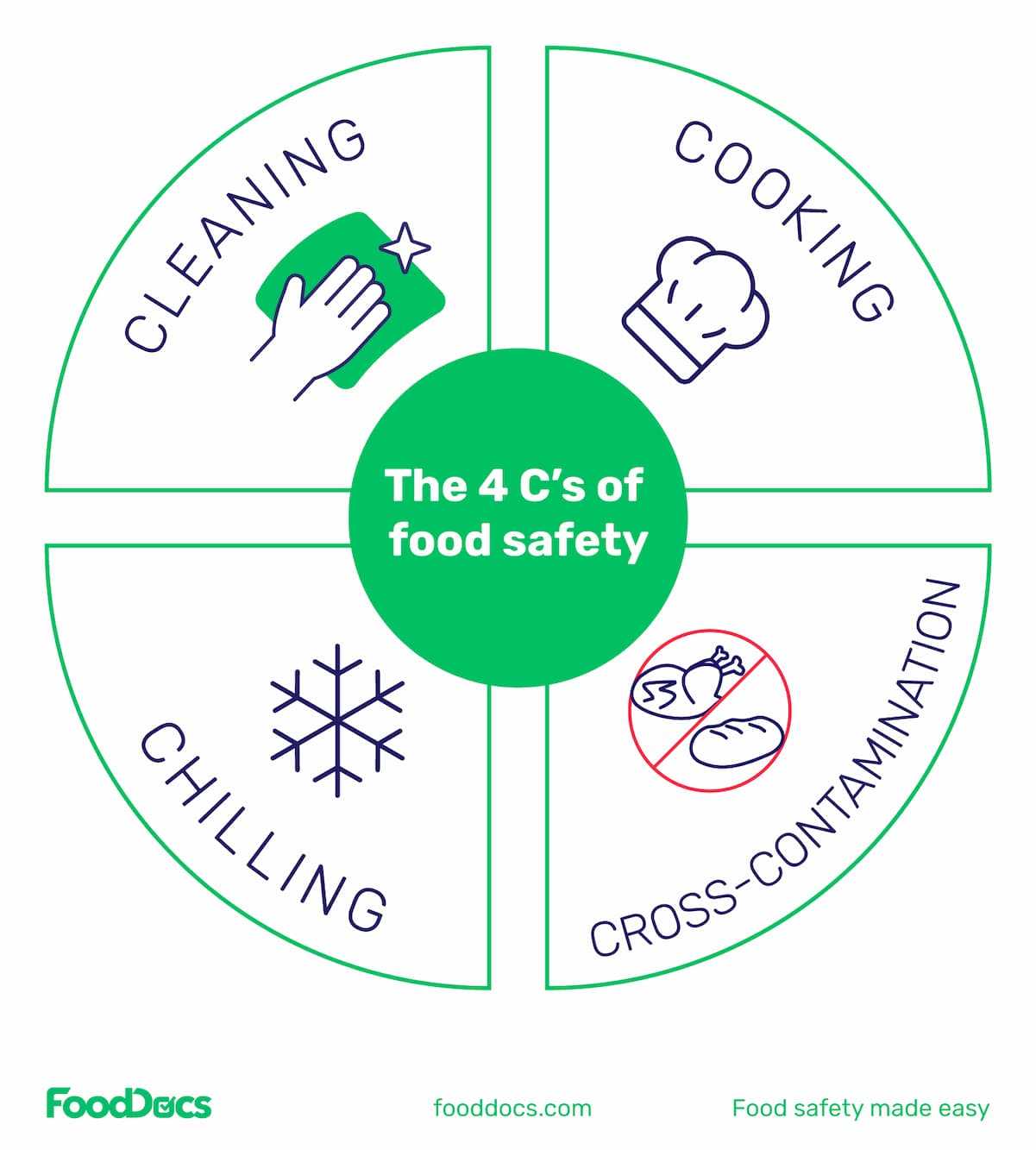
The 4 C S Of Food Safety
What Is Food Contamination H Alo

Frontiers Antimicrobial Properties Of Food Nanopackaging A New Focus On Foodborne Pathogens Microbiology


Comments
Post a Comment